Tree Clearance in Christiansburg, VA: Keeping Branches Away From Your Home and Property
Trees add beauty, shade, and natural character to residential properties. However, when branches grow too close to roofs, driveways, walkways, or other structures, they can create maintenance concerns and potential safety hazards.
For homeowners in Christiansburg, Virginia, keeping trees properly maintained is an important part of caring for the property. Branches that extend over buildings or interfere with frequently used outdoor spaces may need professional attention.
Extreme Tree Company helps property owners with tree care services. Understanding where tree clearance may be needed and when to schedule an inspection can help homeowners make informed decisions about maintaining their trees.
1. Why Tree Clearance Matters for Residential Properties
Trees continue growing throughout their lives, and branches can gradually extend toward structures and other parts of a property.
Without periodic inspection, homeowners may not notice how close branches have grown until they begin interfering with the roof, blocking access, or creating other concerns.
Proper tree clearance can help:
- Reduce contact between branches and buildings.
- Keep walkways and driveways more accessible.
- Address branches that interfere with outdoor spaces.
- Improve clearance around certain structures.
- Support the ongoing maintenance of mature trees.
Tree clearance should be approached carefully. Removing too many branches or making improper cuts can damage a tree and affect its long-term health.
2. Watch for Branches Growing Too Close to Your Roof
Overhanging branches deserve attention because they can come into contact with roofing materials during windy conditions or as they continue growing.
Branches rubbing against shingles, gutters, or roof edges may contribute to surface wear and allow leaves and other debris to accumulate.
Homeowners should periodically inspect the areas around their roofs for:
- Branches touching or rubbing against roofing materials.
- Limbs extending directly over roof sections.
- Leaves and debris accumulating in gutters.
- Dead or damaged branches located above the house.
- Tree growth that makes roof maintenance more difficult.
Not every branch extending over a roof needs to be removed. The appropriate approach depends on the tree species, branch condition, clearance requirements, and overall structure of the tree.
A professional tree assessment can help determine which branches require attention.
3. Maintain Clear Access Around Driveways and Walkways
Trees can also affect the everyday usability of a property.
Low-hanging branches may interfere with vehicles entering a driveway, while overgrown limbs can obstruct sidewalks, paths, and outdoor access areas.
Consider inspecting these locations:
Driveways
Branches extending into vehicle access areas may interfere with taller vehicles or make it difficult to enter and exit comfortably.
Walkways
Low-growing limbs can obstruct pedestrian paths and may become a concern when visibility is limited.
Outdoor Living Areas
Branches extending over patios, decks, and seating areas may need evaluation, particularly if they are damaged or growing into frequently used spaces.
Maintaining suitable clearance can help make these areas more functional while preserving the natural shape of the tree.
4. Identify Dead or Damaged Branches Before They Become a Problem
Not all tree clearance concerns involve branches that are simply growing too close to a structure.
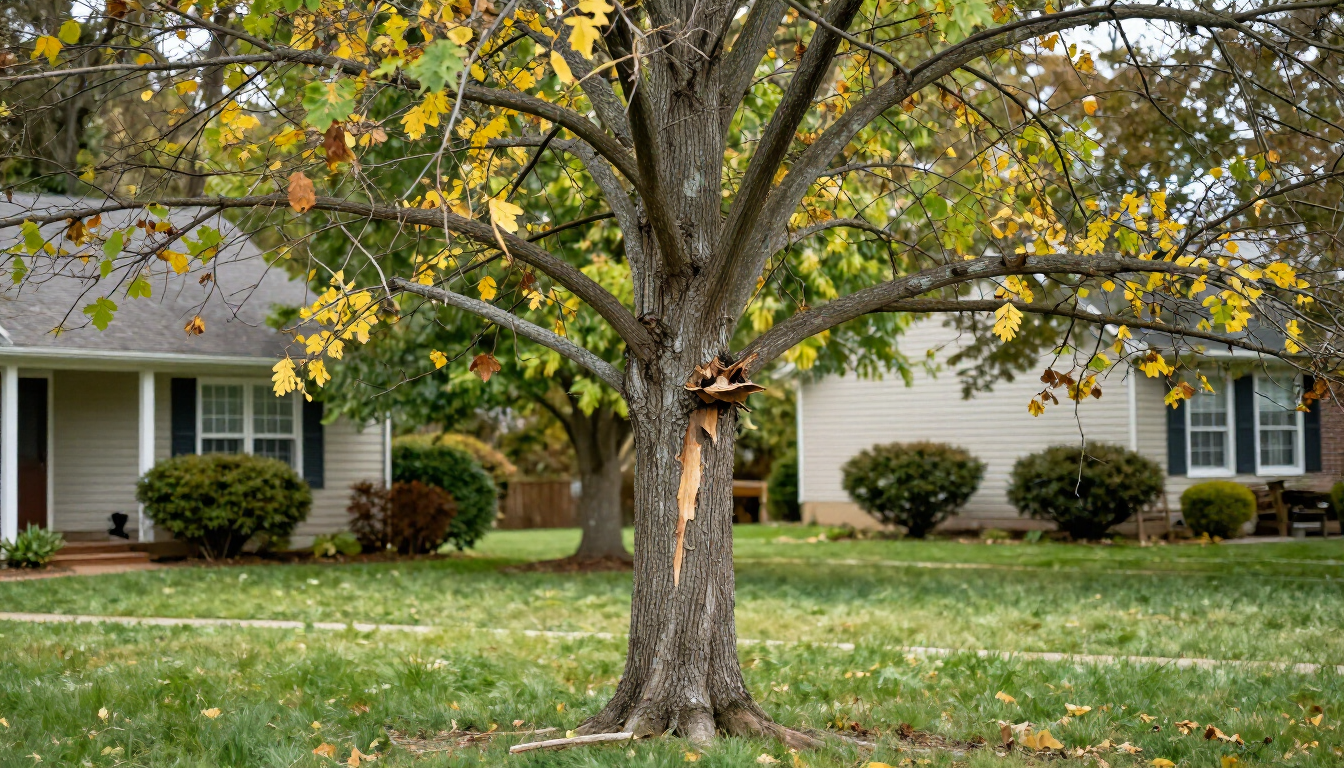
Dead, broken, or visibly damaged limbs may also require attention, especially when they are located above areas where people walk, park, or spend time outdoors.
Watch for these warning signs:
- Branches with no visible foliage during the growing season.
- Cracked or split limbs.
- Hanging branches caught in other parts of the tree.
- Sections with visible decay or damage.
- Limbs that appear unusually weak or unstable.
These signs do not always reveal the full condition of a tree. Some structural issues may not be visible from the ground.
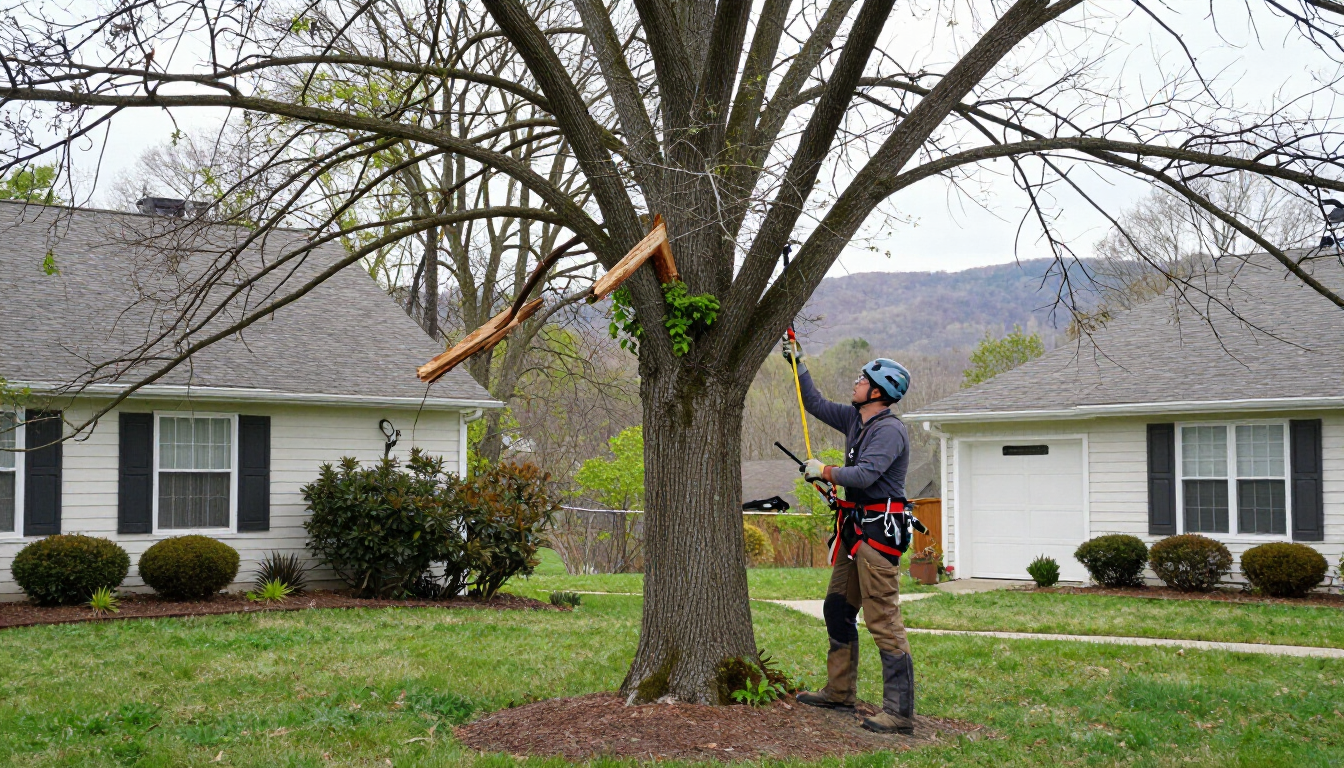
Avoid attempting to remove large or elevated branches yourself. Professional equipment and appropriate cutting techniques may be necessary to handle the work safely.
5. Understand Why Trees Should Not Be Over-Pruned
When branches become inconvenient, it may be tempting to remove large portions of a tree to create more open space.
However, excessive pruning can weaken a tree and affect its natural structure.
Proper pruning focuses on removing selected branches while considering the tree's health, shape, and growth pattern.
A professional tree care provider can evaluate which limbs should be removed and which should remain.
Good pruning practices generally aim to:
- Preserve the tree's natural structure.
- Remove dead or damaged limbs where appropriate.
- Address branches that interfere with buildings or access areas.
- Avoid unnecessary removal of healthy growth.
- Maintain suitable clearance without compromising the tree.
The objective is not simply to create the largest possible open space. It is to balance property clearance with responsible tree maintenance.
6. Consider Seasonal Tree Inspections in Christiansburg, VA
Late fall and early winter can be useful times to review the condition of trees around your property.
As leaves drop from deciduous trees, homeowners may find it easier to notice certain branches and structural features that were previously hidden by foliage.
Before winter weather arrives, consider checking for:
- Dead or damaged limbs.
- Branches extending toward the roof.
- Growth interfering with driveways and walkways.
- Limbs hanging over outdoor structures.
- Visible cracks or other signs of tree damage.
However, tree work should not be scheduled based on the calendar alone. Weather conditions, tree species, the type of work required, and the tree's overall condition all matter.
If a tree presents an immediate safety concern, do not wait for a particular season to have it evaluated.
7. When Should You Call a Professional Tree Service?
Some minor landscaping maintenance can be handled by homeowners, but work involving large branches, elevated limbs, or trees near buildings requires additional care.
Consider contacting a professional tree service when:
- Branches are touching or damaging roofing materials.
- Large limbs extend over frequently used areas.
- Dead or broken branches are located high in the tree.
- Tree growth interferes with vehicle or pedestrian access.
- You notice cracks or structural concerns.
- The work requires climbing, specialized equipment, or cutting near structures.
It is especially important to use qualified professionals when trees or branches are near electrical lines.
Never attempt to prune or remove branches that are touching or close to power lines. Contact the utility provider or an appropriately qualified line-clearance professional.
A tree service professional can evaluate the situation and recommend an appropriate approach.
Professional Tree Care in Christiansburg, VA
Trees require ongoing attention as they grow and interact with the surrounding property. Maintaining appropriate clearance around roofs, driveways, walkways, and outdoor spaces can help homeowners identify potential problems before they become more disruptive.
For property owners in Christiansburg, VA, periodic tree inspections can help identify branches that need attention while supporting responsible tree maintenance.
Extreme Tree Company provides tree care services for homeowners looking to maintain their properties and address tree-related concerns.
Concerned about branches growing too close to your home? Contact Extreme Tree Company to discuss your tree care needs in Christiansburg, VA.