Signs of an Unhealthy Tree: What Homeowners in Blacksburg, VA Should Look For
Trees add beauty, shade, and value to residential properties. However, like any living part of your landscape, trees can experience health problems as they age or encounter changing environmental conditions.
For homeowners in Blacksburg, VA, recognizing early signs of an unhealthy tree can help prevent unexpected problems and determine when professional attention may be necessary.
Some warning signs are easy to notice, while others may develop gradually. Knowing what to look for can help you make informed decisions about maintaining the trees on your property.
1. Look for Changes in the Leaves
Leaves can provide useful clues about a tree's overall condition.
Depending on the species and season, certain changes may indicate stress or disease.
Watch for:
- Leaves turning yellow or brown outside their normal seasonal cycle
- Unusual spots or discoloration
- Premature leaf loss
- Smaller-than-usual leaves
- Uneven foliage growth throughout the canopy
These symptoms don't automatically mean a tree is dying. Weather conditions, soil moisture, pests, and seasonal changes can all affect foliage.
However, persistent or unusual changes are worth investigating.
2. Check the Trunk for Visible Damage
The trunk supports the tree and helps transport water and nutrients throughout its structure.
Visible damage may indicate an underlying issue that deserves attention.
Look for:
- Large cracks or splits
- Areas of missing bark
- Deep wounds
- Unusual swelling or growths
- Sections that appear decayed or deteriorated
Some trees naturally develop rough bark or minor surface irregularities. The concern is when damage appears significant, changes over time, or is accompanied by other warning signs.
Avoid attempting to remove damaged sections yourself, especially when the tree is large or near buildings.
3. Watch for Dead or Bare Branches
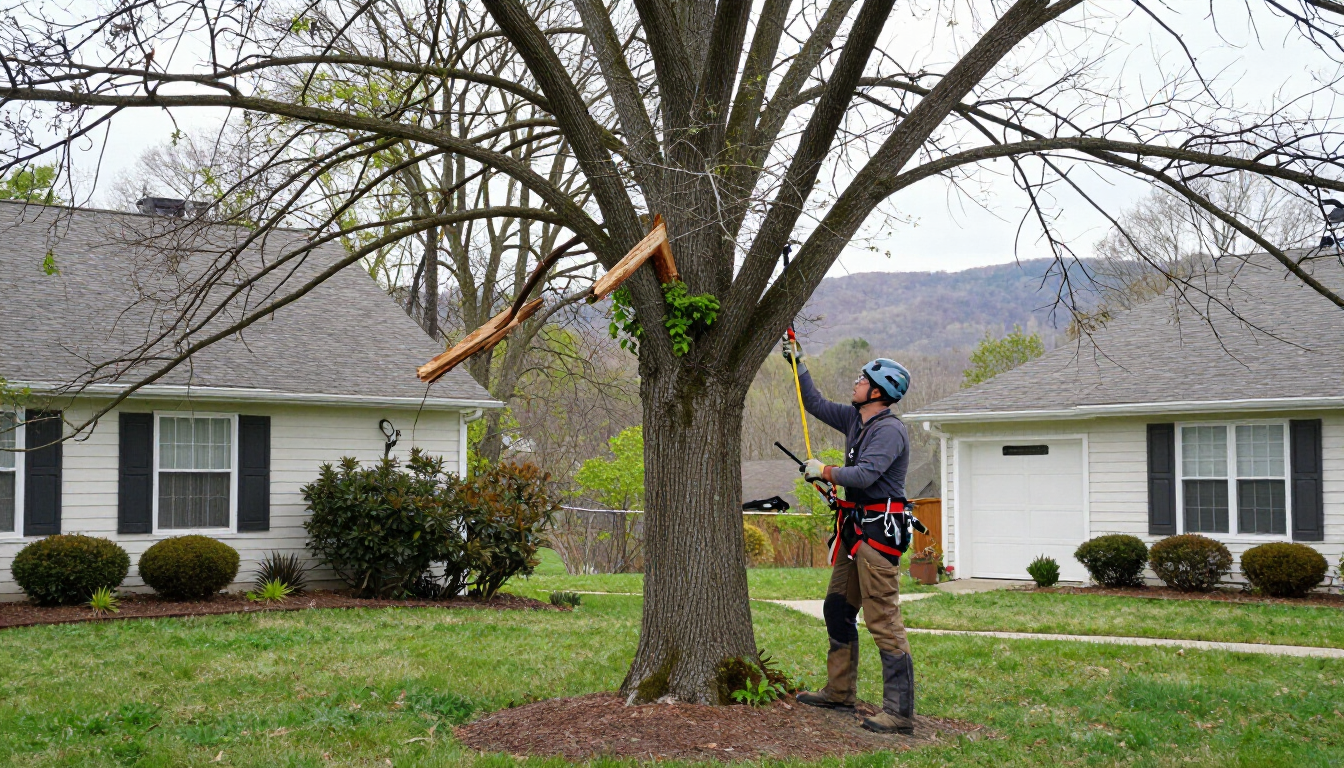
Dead branches can occur naturally as trees grow, but widespread deadwood or large sections without foliage may indicate a more serious problem.
Pay attention to branches that:
- Have no leaves during the normal growing season
- Appear brittle or unusually dry
- Have broken away from the main structure
- Show signs of decay
- Are concentrated in one area of the canopy
Dead branches may also become falling hazards, particularly when located above driveways, walkways, or frequently used outdoor spaces.
A professional assessment can help determine whether the affected branches require attention.
4. Notice Changes in the Tree's Overall Growth
A healthy tree generally maintains a growth pattern appropriate for its species and growing conditions.
If a tree suddenly develops an uneven canopy, stops producing normal foliage, or shows signs of decline, it may be experiencing stress.
Possible contributing factors include:
- Soil conditions
- Inadequate or excessive moisture
- Pest activity
- Disease
- Physical damage
- Environmental stress
Because several different conditions can produce similar symptoms, identifying the underlying cause is important before deciding what care is needed.
5. Look for Signs of Decay or Fungal Growth
Fungal growth around a tree may sometimes indicate internal decay or other health concerns.
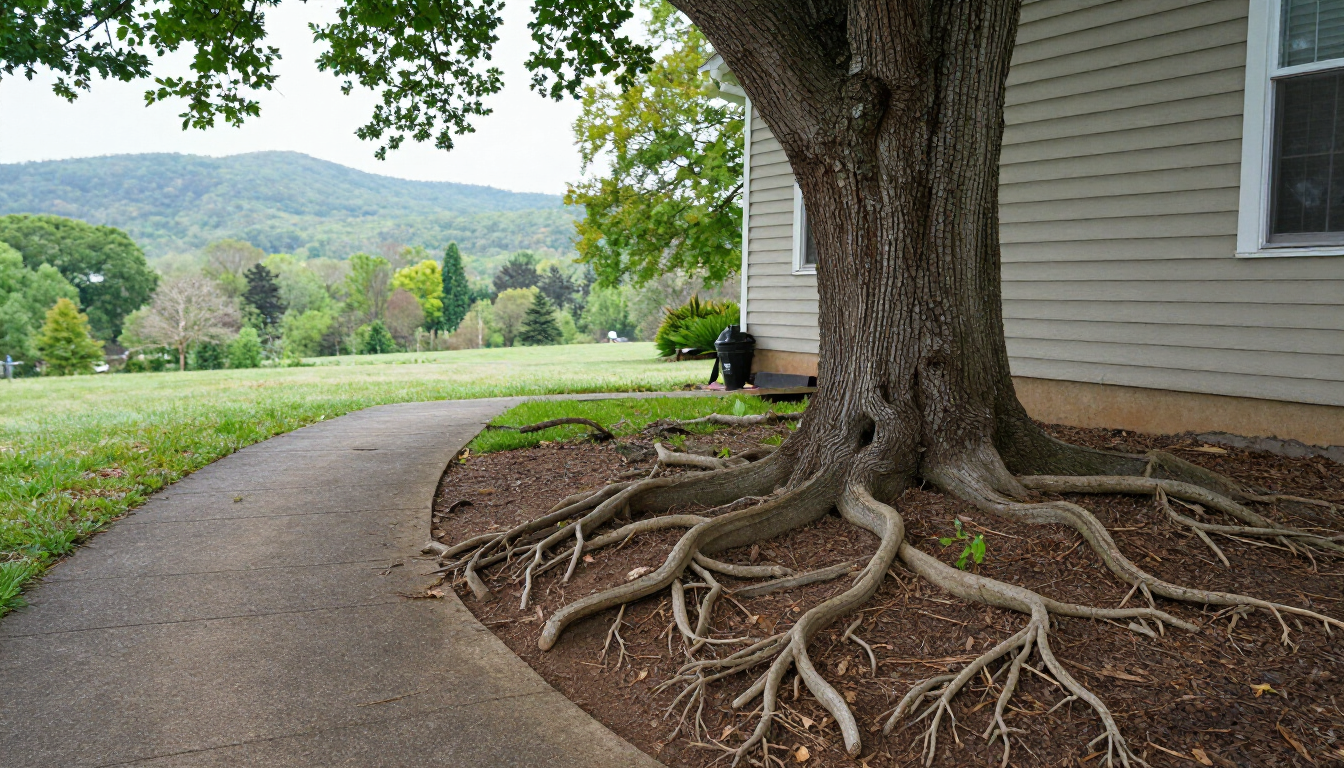
Look for mushrooms or fungal structures around the trunk base, exposed roots, or damaged portions of the tree.
While not every mushroom indicates dangerous internal decay, certain growths can be associated with wood decomposition.
If you notice fungal growth alongside cavities, structural damage, or declining foliage, consider having the tree evaluated by a professional.
Why Early Tree Assessments Matter
Recognizing warning signs early can help homeowners understand the condition of their trees and determine whether additional care is needed.
A professional assessment may help identify:
- Visible signs of disease or pest activity
- Structural weaknesses
- Damaged or declining branches
- Potential safety concerns
- Conditions that may require continued monitoring
Not every unhealthy tree needs to be removed. Depending on the condition and species, appropriate care may help preserve a tree and support its continued growth.
The important step is understanding the problem before deciding on a solution.
When Should You Contact a Tree Service Professional?
If you notice significant trunk damage, large dead branches, fungal growth, or sudden changes in a tree's condition, consider scheduling a professional evaluation.
This is especially important when the tree is close to your home, driveway, utility lines, or other frequently occupied areas.
Avoid climbing the tree or attempting to cut large branches yourself. Tree work can involve serious safety risks and requires appropriate equipment and experience.
Professional Tree Services in Blacksburg, VA
Healthy trees contribute to the appearance and enjoyment of your outdoor space. Paying attention to changes in their condition can help you recognize potential problems and determine when professional attention is appropriate.
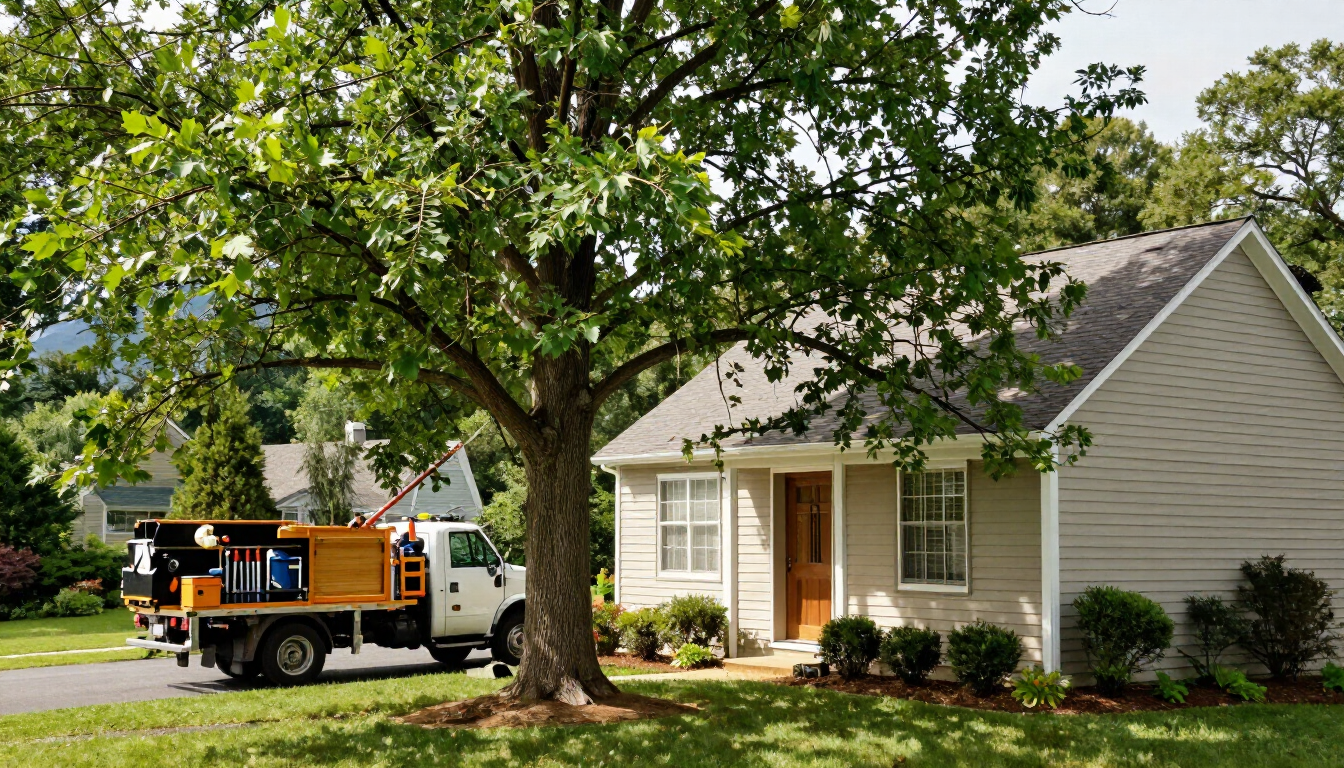
Extreme Tree Company serves property owners in Blacksburg, VA, with tree services designed to address a variety of property needs.
Whether you're concerned about an aging tree, visible damage, or the overall condition of your landscape, professional guidance can help you understand the next steps.
Contact Extreme Tree Company today to discuss your tree service needs in Blacksburg, VA.