Tree Roots Near Your Home: What Blacksburg, VA Homeowners Should Know
Trees add beauty, shade, and natural character to residential properties. However, as trees grow, their root systems can interact with driveways, sidewalks, underground utilities, and other features around a home.
For homeowners in Blacksburg, Virginia, understanding how tree roots grow and recognizing potential warning signs can help prevent minor concerns from becoming more complicated property issues.
Not every root near a structure is a problem, and visible roots do not automatically mean a tree needs to be removed. The key is understanding what to look for and knowing when to seek a professional assessment.
How Tree Roots Grow Around Residential Properties
Tree roots spread through the soil in search of water, oxygen, and nutrients. Many of a tree's roots are relatively close to the soil surface, where these resources are more readily available.
As roots expand, they may encounter sidewalks, driveways, retaining features, underground pipes, or compacted soil. In some situations, roots can contribute to raised pavement or uneven walking surfaces.
The extent of root growth depends on several factors, including tree species, soil conditions, available moisture, drainage, and the amount of space available for the root system.
Understanding these factors is especially important when planning landscaping changes or evaluating mature trees growing close to buildings and paved areas.
Five Signs Tree Roots May Be Affecting Your Property
1. Raised or Uneven Sidewalks
Roots growing beneath a sidewalk can contribute to sections lifting or becoming uneven. This can create a tripping hazard and may require repairs to the paved surface.
If the pavement is changing near a mature tree, consider having the area evaluated before attempting to cut or remove the roots.
2. Cracks or Changes in Driveways
Cracks and uneven sections in a driveway can have several causes, including soil movement, drainage issues, aging pavement, and tree root growth.
Look for changes that appear close to established trees, but avoid assuming roots are responsible without further assessment.
3. Exposed Roots Across the Lawn
Some trees naturally develop visible surface roots as they mature. Exposed roots are not necessarily a sign of poor tree health.
However, roots that interfere with mowing, foot traffic, or planned landscaping may need attention. Avoid cutting large roots simply to make the lawn easier to maintain, as this can affect the tree's stability and health.
4. Changes in Soil Around a Tree
Soil disturbance, unusual changes in ground level, or signs of erosion near a tree may indicate that the area needs a closer look.
These conditions can have multiple causes. A professional assessment can help determine whether the issue involves the tree, drainage, soil conditions, or a combination of factors.
5. Concerns About Trees Growing Near Structures
A tree growing close to a house, garage, or other structure may raise questions about root growth and available space.
Roots do not automatically damage foundations simply because a tree is nearby. Problems can depend on soil conditions, existing structural weaknesses, moisture changes, and the characteristics of the root system.
If you notice new cracks, significant ground movement, or other structural changes, consider consulting an appropriate building or foundation professional as well as a tree care professional when needed.
Should You Cut Tree Roots Near a Driveway or Foundation?
Cutting tree roots without understanding their role can cause more harm than good. Some roots help anchor the tree, while others support water and nutrient absorption. Removing important roots may weaken the tree, affect its health, or increase the risk of failure.
Before cutting roots, consider the following:
- Tree stability: Large roots may play an important role in anchoring the tree.
- Tree health: Root damage can interfere with water and nutrient uptake.
- Distance from the trunk: Cutting roots close to the trunk can be particularly concerning.
- Other possible causes: Pavement damage or soil movement may not be caused by roots alone.
- Long-term plans: A solution should account for both the tree and the surrounding property.
Avoid cutting large roots or digging extensively around a mature tree without professional guidance.
Depending on the situation, the best approach may involve adjusting the surrounding landscape, repairing the affected surface, improving site conditions, or evaluating whether tree removal is appropriate.
How to Reduce Tree Root Conflicts Before They Start
Planning ahead can help homeowners reduce the likelihood of future conflicts between trees and hardscaping.
Choose Suitable Planting Locations
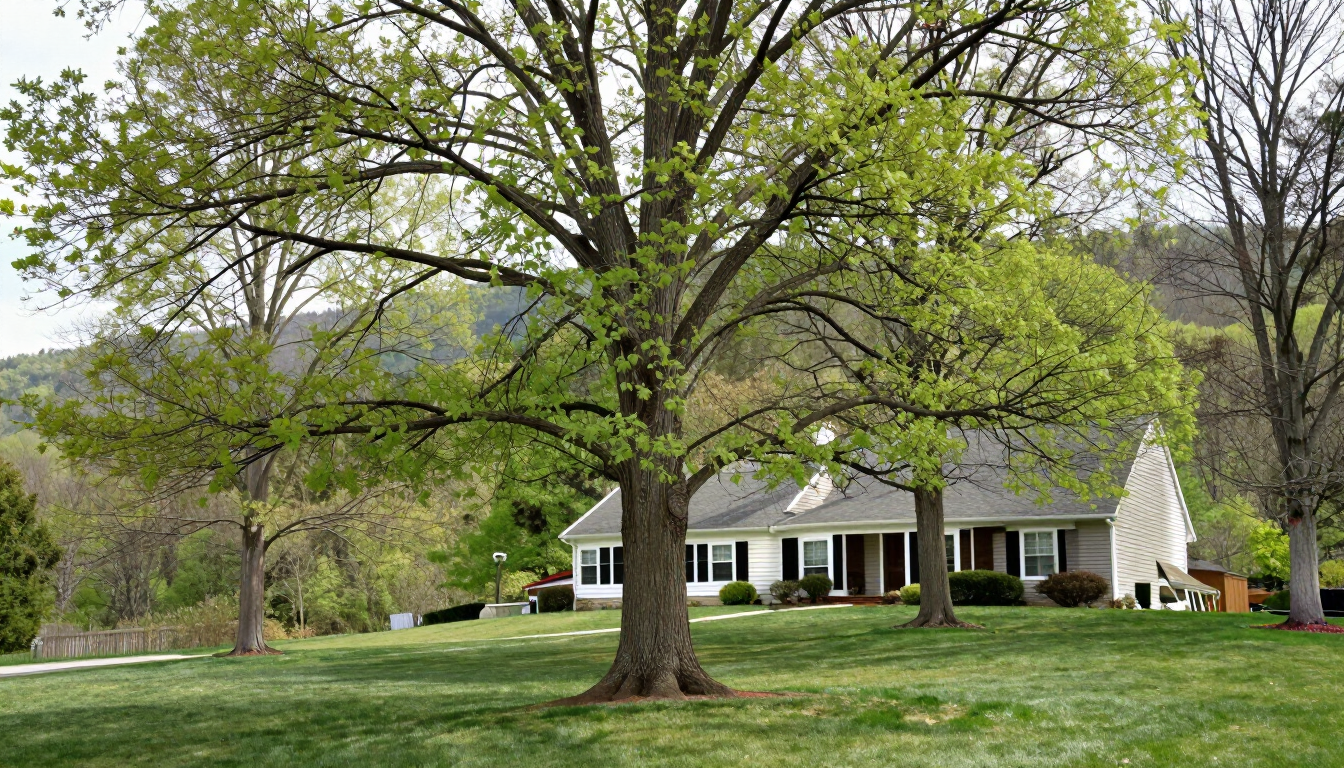
Consider the mature size of a tree before planting it near driveways, sidewalks, buildings, and underground utilities. A young tree may look small today, but its root system and canopy will expand as it grows.
Allow Enough Room for Growth
Trees generally benefit from adequate rooting space. Planting in a restricted area can create challenges as the tree matures, particularly when surrounded by extensive pavement.
Pay Attention to Drainage
Water movement affects soil conditions and root development. Persistent pooling, erosion, or changes in soil moisture may warrant further investigation.
Inspect Mature Trees Periodically
Keep an eye on changes in the ground, exposed roots, pavement levels, and the condition of nearby trees. Early attention can help you understand the issue and consider practical options before making major landscaping decisions.
Plan Landscaping Changes Carefully
Before installing new walkways, patios, driveways, or other features around established trees, consider how excavation and soil compaction may affect the existing root system.
When to Contact a Tree Care Professional in Blacksburg, VA
Consider seeking professional guidance if roots are interfering with paved surfaces, you are planning excavation near a mature tree, or you are concerned about the health or stability of a tree.
A qualified tree care professional can evaluate the tree and its surroundings, discuss potential risks, and help you understand which options may be appropriate.
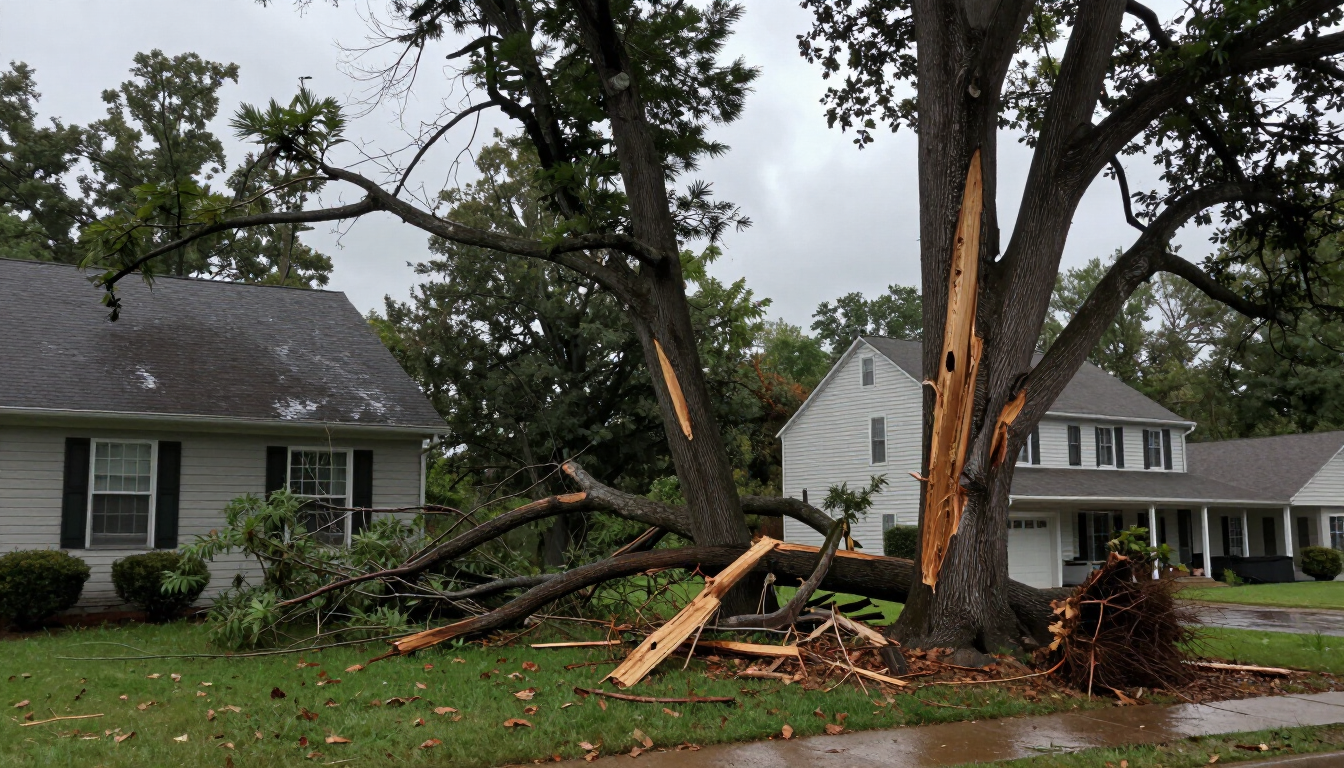
If a tree is suddenly leaning, has significant root-plate movement, or shows signs of a major structural failure, keep people away from the area and seek prompt professional assistance.
For suspected foundation damage, underground utility issues, or hazardous pavement conditions, the appropriate building, utility, or pavement professional may also need to be involved.
Protect Your Property With Professional Tree Care
Healthy trees can be an important part of a well-maintained property, but their long-term growth should be considered when planning landscaping and outdoor improvements.
If you have concerns about mature trees, exposed roots, or trees growing close to paved areas around your property, Extreme Tree Company can be a starting point for discussing your tree care needs in Blacksburg, VA.
Contact Extreme Tree Company to ask about your concerns and determine what type of professional evaluation may be appropriate for your property.