When Should You Trim Your Trees? A Homeowner’s Guide in Blacksburg, VA
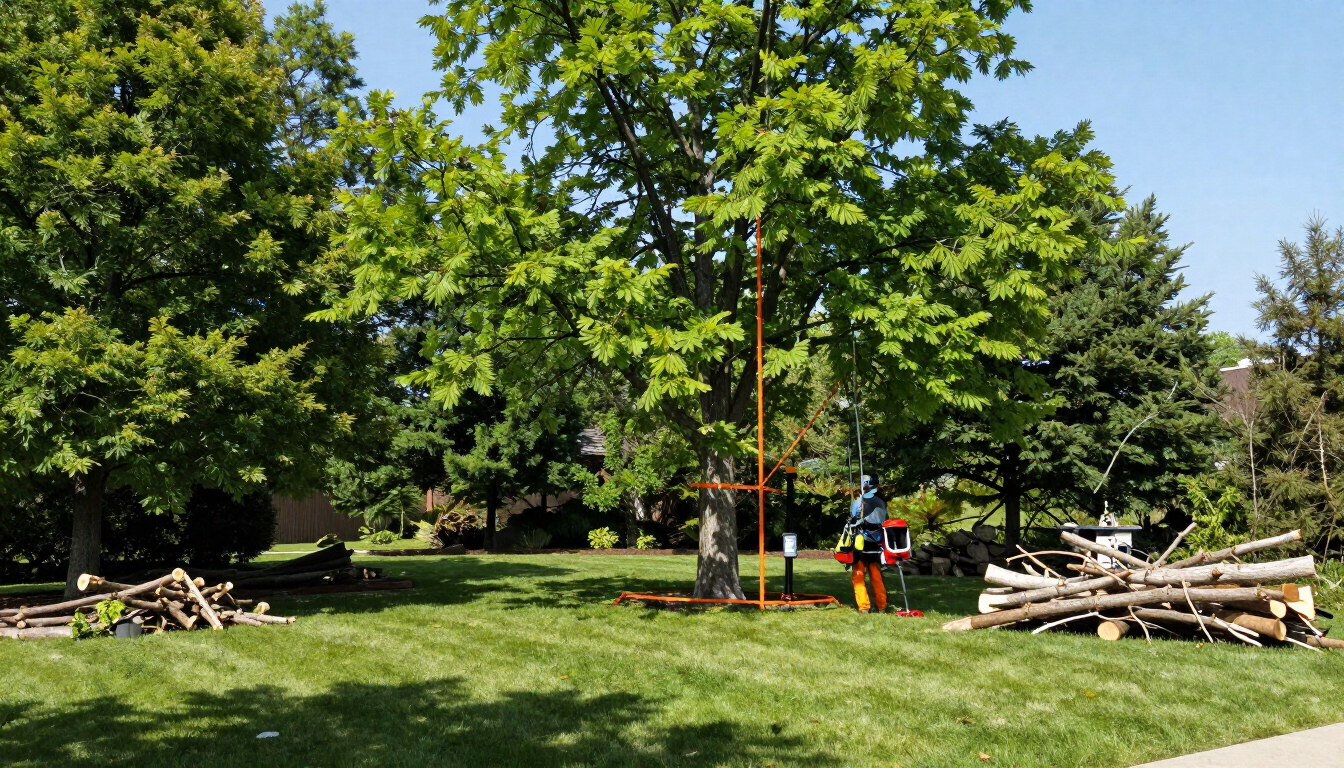
Trees add beauty, shade, and character to residential properties throughout Blacksburg, VA. However, keeping them healthy and well-maintained requires more than occasional attention. Overgrown branches, damaged limbs, and dense canopies can affect a tree's structure and create concerns for nearby homes, driveways, walkways, and outdoor living areas.
Knowing when to trim your trees can help you maintain your landscape while identifying potential problems before they become more serious. The right approach depends on the tree species, its condition, its location, and the reason pruning is needed.
For homeowners in Blacksburg, Christiansburg, and surrounding New River Valley communities, professional tree trimming can be an important part of routine property maintenance. Extreme Tree Company can help property owners evaluate their trees and determine when professional service may be appropriate.
1. Recognize When Your Trees Need Trimming
Not every tree requires the same pruning schedule. Some trees benefit from periodic structural pruning, while others may need attention because of storm damage, overgrowth, or interference with nearby structures.
Several signs can indicate that your trees need attention.
Dead or damaged branches: Bare, brittle, broken, or visibly deteriorating limbs may need to be evaluated and removed.
Branches growing toward structures: Limbs extending over roofs, garages, sheds, or other structures may require careful management.
Branches obstructing walkways or driveways: Low-hanging growth can interfere with vehicles, pedestrians, and routine property use.
Crossing or rubbing branches: Branches that repeatedly rub against one another can develop wounds that may make them more vulnerable to damage.
Dense or unbalanced growth: Excessive or poorly distributed growth may warrant selective pruning to improve the tree's structure.
These signs do not always mean that extensive trimming is necessary. A professional assessment can help determine which branches, if any, should be removed and how much pruning is appropriate.
2. Understand the Best Time of Year to Trim Trees
The best time to trim a tree depends on its species, health, growth pattern, and the reason for pruning.
For many deciduous trees, late winter or early spring can be a suitable time for structural pruning because the tree is dormant or approaching the beginning of its growing season. With fewer leaves, the branch structure may also be easier to inspect.
However, seasonal timing is not the only consideration.
Dead, broken, or hazardous branches may need attention as soon as conditions allow, regardless of the season. Flowering trees may require different timing depending on whether they bloom on old or new growth. Some trees may also be more vulnerable to particular pests or diseases at certain times of year.
Homeowners in Blacksburg should avoid following a single pruning schedule for every tree on their property. Consulting a qualified tree care professional can help establish a maintenance approach suited to the trees in your landscape.
3. Improve Tree Structure With Proper Pruning
Tree pruning is not simply a matter of cutting back branches that look too long. Proper pruning considers how each branch contributes to the tree's structure and long-term development.
Selective pruning may help remove dead or damaged growth, address certain crossing branches, and reduce conflicts with nearby structures.
Young trees can benefit from structural pruning that encourages an appropriate branch arrangement as they mature. Established trees may need more selective maintenance to address damaged limbs or specific growth concerns.
It is important to avoid removing too much of the canopy at once. Excessive pruning can stress a tree, reduce its ability to produce energy, and encourage undesirable growth.
A tree's natural shape, species, age, and condition should guide decisions about which branches to remove. Professional tree trimming helps ensure that the work is based on the tree's needs rather than simply reducing its size.
4. Keep Branches Away From Roofs and Other Structures
Trees growing close to homes can create maintenance challenges when branches extend over roofs, contact siding, or interfere with gutters.
Branches may drop leaves and small debris onto roof surfaces, while limbs that rub against a structure can cause damage over time. Heavy branches positioned above frequently used areas may also deserve closer inspection.
Trimming can help manage these conflicts, but the solution should preserve the tree's health wherever possible.
Before cutting branches back from a building, consider the tree's overall structure and how the proposed cuts will affect its growth. Severe cutting or removing large portions of a canopy simply to create clearance may damage the tree.
Trees near utility lines require particular caution. Never attempt to trim branches touching or growing close to power lines yourself. Contact the appropriate utility provider or a qualified professional authorized to handle that work.
Extreme Tree Company can help property owners evaluate trees around their homes and determine what maintenance may be needed.
5. Know When Storm-Damaged Trees Need Attention
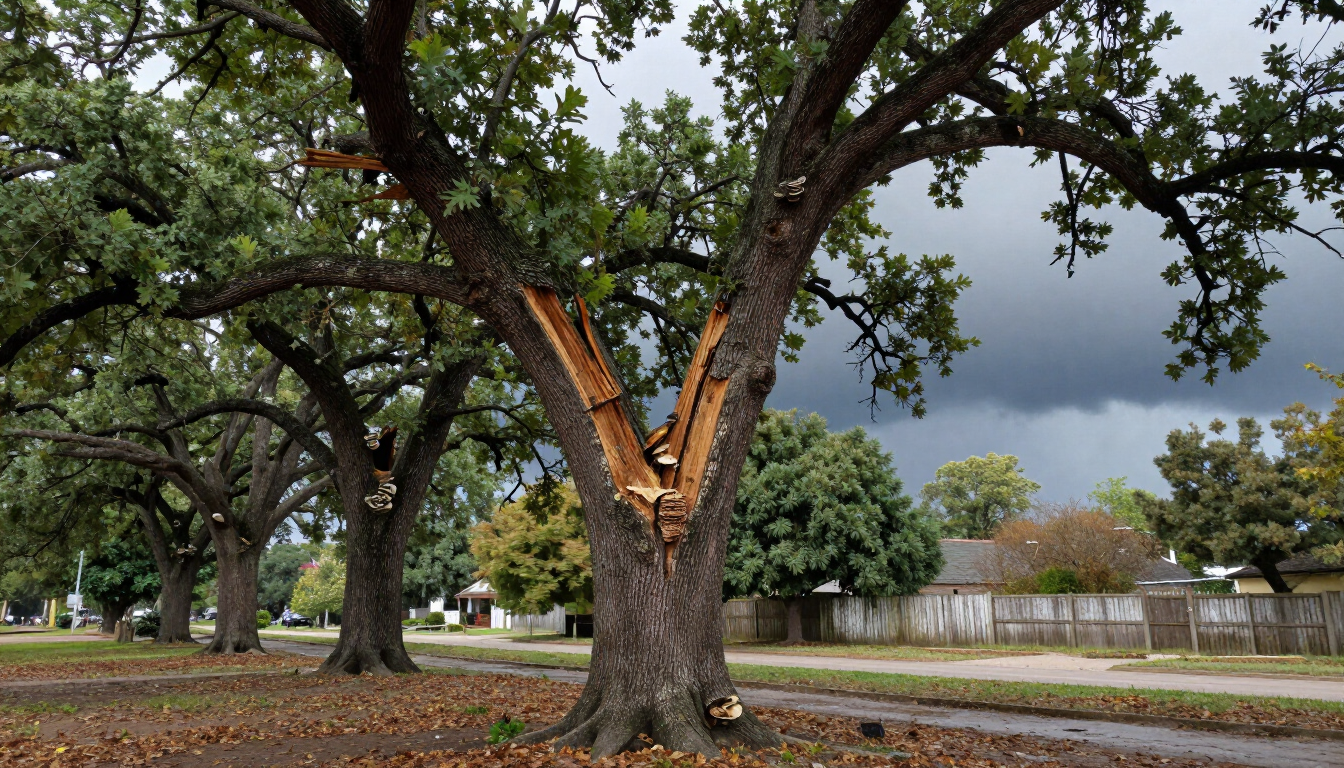
Strong winds, heavy rain, ice, and severe storms can damage trees throughout Virginia. After a storm, homeowners may notice broken branches, hanging limbs, split wood, or changes in the way a tree stands.
Some damage is obvious, while other problems may be difficult to see from the ground.
Watch for:
- Large branches that have broken but remain suspended in the canopy.
- Newly visible cracks in major limbs or the trunk.
- Trees that have begun leaning differently than before.
- Exposed or disturbed roots around the base.
- Branches resting on roofs, vehicles, or other structures.
- Hanging limbs that could fall without warning.
Do not approach unstable trees, attempt to pull down hanging branches, or use a ladder or chainsaw to handle storm damage. These situations can be unpredictable and dangerous.
If a tree is near power lines, keep your distance and contact the utility provider. If a tree appears unstable or threatens a structure, seek professional assistance promptly.
Storm-damaged trees may require selective pruning, more extensive corrective work, or removal depending on the severity of the damage.
6. Avoid Common Tree Trimming Mistakes
Improper pruning can create problems that take years to correct. Before attempting to trim mature trees yourself, understand the risks associated with common mistakes.
Removing Too Much of the Canopy
Removing excessive foliage can interfere with a tree's ability to produce energy and maintain healthy growth. Pruning should be limited to what is appropriate for the tree's condition and objectives.
Making Improper Cuts
Cuts that damage the branch collar or leave unsuitable stubs can interfere with the tree's natural wound response. Correct cutting techniques help reduce unnecessary damage.
Topping the Tree
Topping involves cutting back major branches or the trunk to reduce the tree's height dramatically. This practice can create weakly attached regrowth, increase stress, and damage the tree's natural structure.
Ignoring Overhead Hazards
Branches near roofs, utility lines, and other structures can be dangerous to remove without the right equipment and training.
Using the Same Approach for Every Tree
Different species and growth stages have different pruning needs. A technique that may be appropriate in one situation could be harmful in another.
When a tree is large, difficult to access, or close to structures, professional tree trimming is generally a safer option than attempting the work without suitable equipment and experience.
7. Include Tree Trimming in Your Regular Property Maintenance Plan
Routine tree care can help homeowners identify developing concerns and manage growth before it interferes with everyday property use.
Rather than waiting until a branch breaks or a tree becomes difficult to manage, inspect your landscape periodically for visible changes.
Look for dead limbs, new cracks, branches contacting structures, and changes around the root area. After severe weather, check for visible damage from a safe distance.
It is also helpful to consider the mature size of trees when planning landscaping. Trees planted too close to buildings, driveways, or overhead obstacles may require ongoing management as they grow.
Regular evaluations do not eliminate every tree-related risk, but they can help identify conditions that deserve attention.
For homeowners in Blacksburg, Christiansburg, and nearby Montgomery County communities, incorporating tree care into seasonal property maintenance can help preserve the appearance and usability of outdoor spaces.
Schedule Professional Tree Trimming With Extreme Tree Company
Healthy, well-maintained trees can be an important part of a property's landscape. However, overgrown branches, storm damage, and structural concerns should not be ignored.
Understanding when to trim your trees can help you make informed decisions about maintaining your property. The right service depends on the tree's condition, the surrounding environment, and the specific work required.
Extreme Tree Company serves property owners in Blacksburg, VA, and surrounding communities with professional tree services. Whether you need help managing overgrown branches or evaluating a tree after severe weather, professional guidance can help you determine the appropriate next step.
Ready to maintain the trees on your property?
Contact Extreme Tree Company to discuss your tree trimming needs and schedule an assessment.